Efficient Resolution of Adult Anterior Crowding and Crossbite

System Used:
K Line Clear Aligners
Duration:
30 weeks (7 months)
Patient Profile
Age: 55 years old
Gender: Female
Chief complaint: Upper and lower anterior crowding.
Diagnosis & Clinical Findings
A comprehensive clinical and radiographic examination revealed the following baseline conditions:
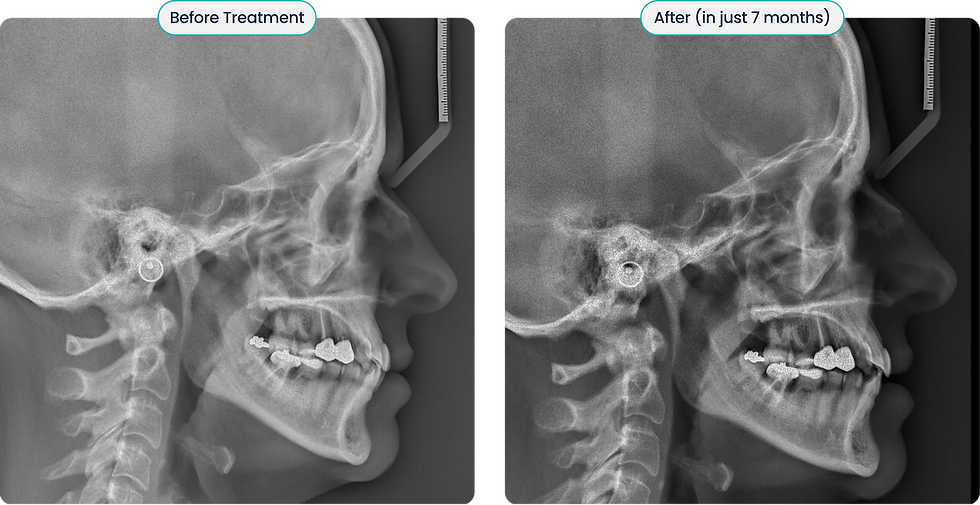
Sagittal Relationship: Bilateral Class I canine and molar • relationships.
Arch Discrepancy: Minor crowding in the maxillary arch and moderate crowding in the mandibular arch.
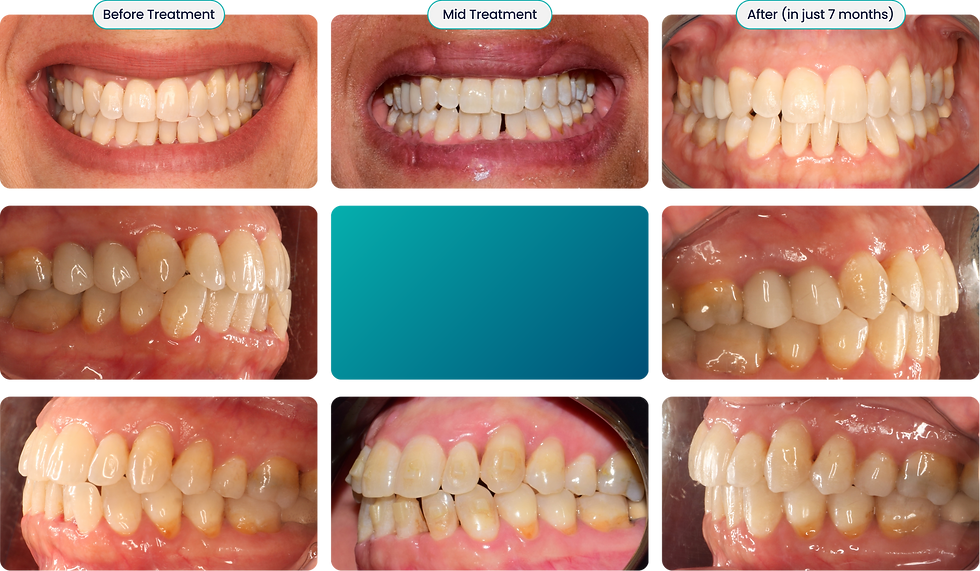
Bite Characteristics: Shallow bite accompanied by an anterior crossbite.
Tooth-Size Discrepancy: Maxillary Bolton discrepancy localized to undersized upper lateral incisors.
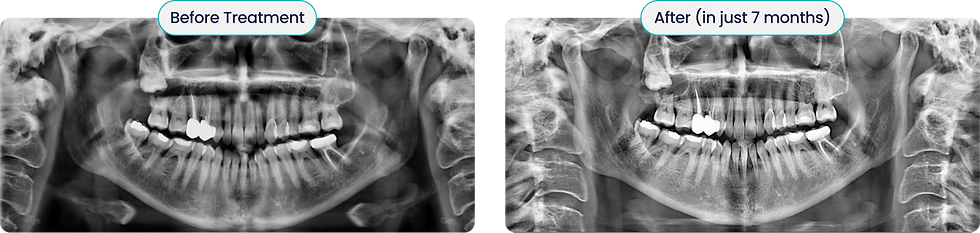
Periodontal Status: Tooth #31 (mandibular incisor) exhibited significant periodontal compromise.
Treatment Objectives & Planning
The primary objective was to resolve the anterior crowding and crossbite while maintaining the stable bilateral Class I posterior occlusion. Due to the compromised periodontal condition of tooth #31, a strategic single-incisor extraction approach was elected.
The extraction of #31 served multiple critical biomechanical and aesthetic purposes:
Relieved the moderate lower anterior crowding efficiently.
Preserved the existing Class I buccal segment relationships on both right and left sides.
Allowed for the deepening and improvement of the anterior overbite.
Naturally compensated for the upper Bolton discrepancy without requiring restorative build-ups on the upper laterals.
Biomechanics & Treatment Progress
The case was treated exclusively using K Line Clear Aligners. One of the greatest challenges in clear aligner extraction cases is preventing the adjacent teeth from tipping into the extraction space.
To ensure strict bodily movement and avoid the "rollercoaster" effect:
Vertical rectangular attachments were utilized on the teeth adjacent to the extraction site to provide maximum grip for root control.
Precise mesial root tip mechanics were actively programmed into the aligners during the space closure phase.
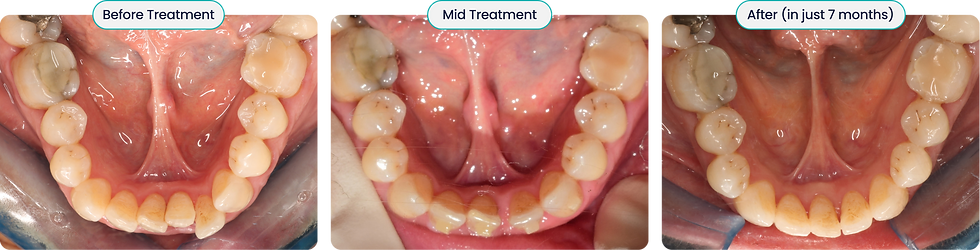
Clinical Outcomes
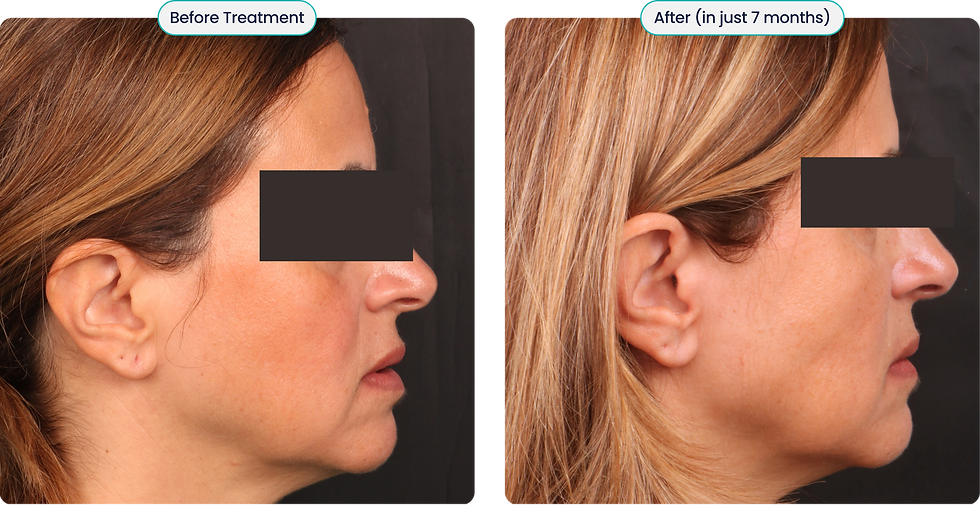
The treatment was successfully completed in just 30 weeks (approximately 7 months). The patient’s anterior crossbite was corrected, the shallow bite was improved to an ideal overbite and overjet, and the lower extraction space was closed completely with parallel roots and healthy periodontal architecture.
30
weeks total time
0
refinements needed
100%
space closure
Retention Strategy
To ensure the long-term stability of the vertical, sagittal, and transverse corrections, which is especially critical in a periodontally compromised adult patient, a double retention protocol was implemented.
This consisted of bonded fixed lingual retainers paired with removable clear aligner retainers.
Build Cases Like This One
Cases like this one are exactly why we build K Line the way we do.
We work with orthodontic practices, dental labs, and aligner brands who want that same level of control in every case they run, not just the easy ones.
Through our private label manufacturing we build:
Aligner systems
engineered for precise root control, including mesial root tip and torque programming in extraction cases
Manufacturing precision
that holds attachment design and staging exactly as planned, case after case
Clinical responsiveness
so refinements happen fast when they are actually needed, and rarely otherwise
If you want to see what your own brand could do with this kind of case, let's talk about what K Line can build for you.
Comments